
nPB (1-Bromopropane) is an non-flammable solvent cleaner used to effectively remove oils, greases, waxes and flux residues in industrial manufacturing applications - most notably in vapor degreasing and ultrasonic cleaning.
In this blog, we will give an overview of n Propyl Bromide as a solvent cleaner and discuss its applications in industrial cleaning. We will summarize the basics of nPB: the what, why, where, when, and how of this unique solvent.
WHAT is nPB?

n-Propyl bromide (also known as 1-Bromopropane) is a broad-spectrum solvent used in a wide variety of applications from precision cleaning of metals and electronics to adhesive and coating applications.
nPB is a brominated hydrocarbon (Alkyl halide) and the bromine is the key to many of its useful cleaning properties:
Higher Solvency Strength (Kauri-Butanol value): 120–130 KB means nPB can clean contaminants that weaker solvents struggle to remove
Moderate Polarity: Allows for Nonpolar soils (oils, greases, waxes) to interact with the hydrocarbon portion of the solvent and Slightly polar residues (some fluxes, light organics) interact with the polar bond
Higher Density: means displacement of lighter contaminants and improved penetration into tight geometries
Higher Boiling point: ~71°C (160°F) means fast drying and minimal residue.
Higher Solvency Strength (Kauri-Butanol value): 120–130 KB means nPB can clean contaminants that weaker solvents struggle to remove
Low Surface Tension: enables nPB to penetrate complex part geometries, small crevices and blind holes to lift contaminants from intricate surfaces
Chemical Stability - means it stays an azeotrope and can be distilled.
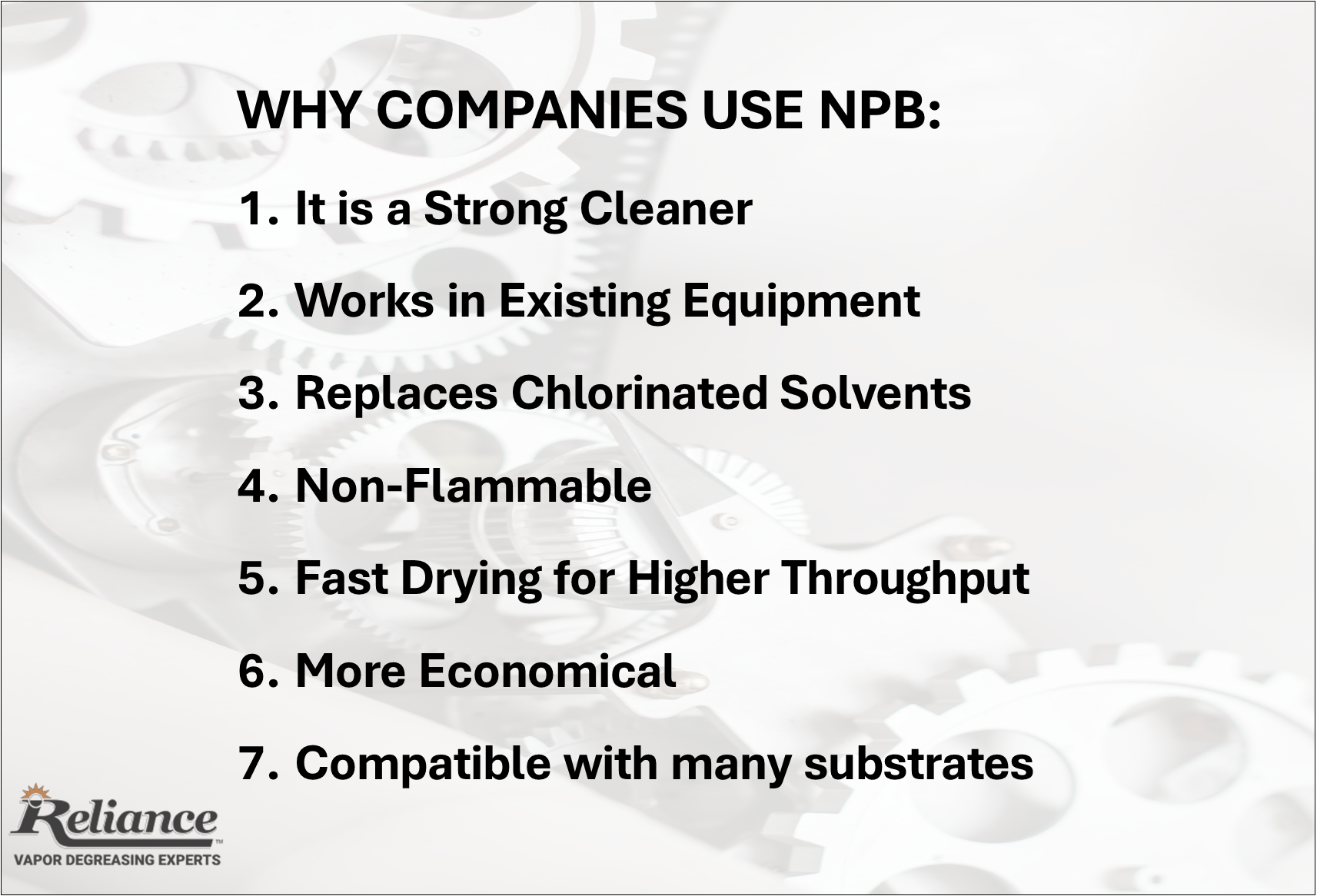
WHY Companies Use nPB?
Because it is a Strong Cleaner
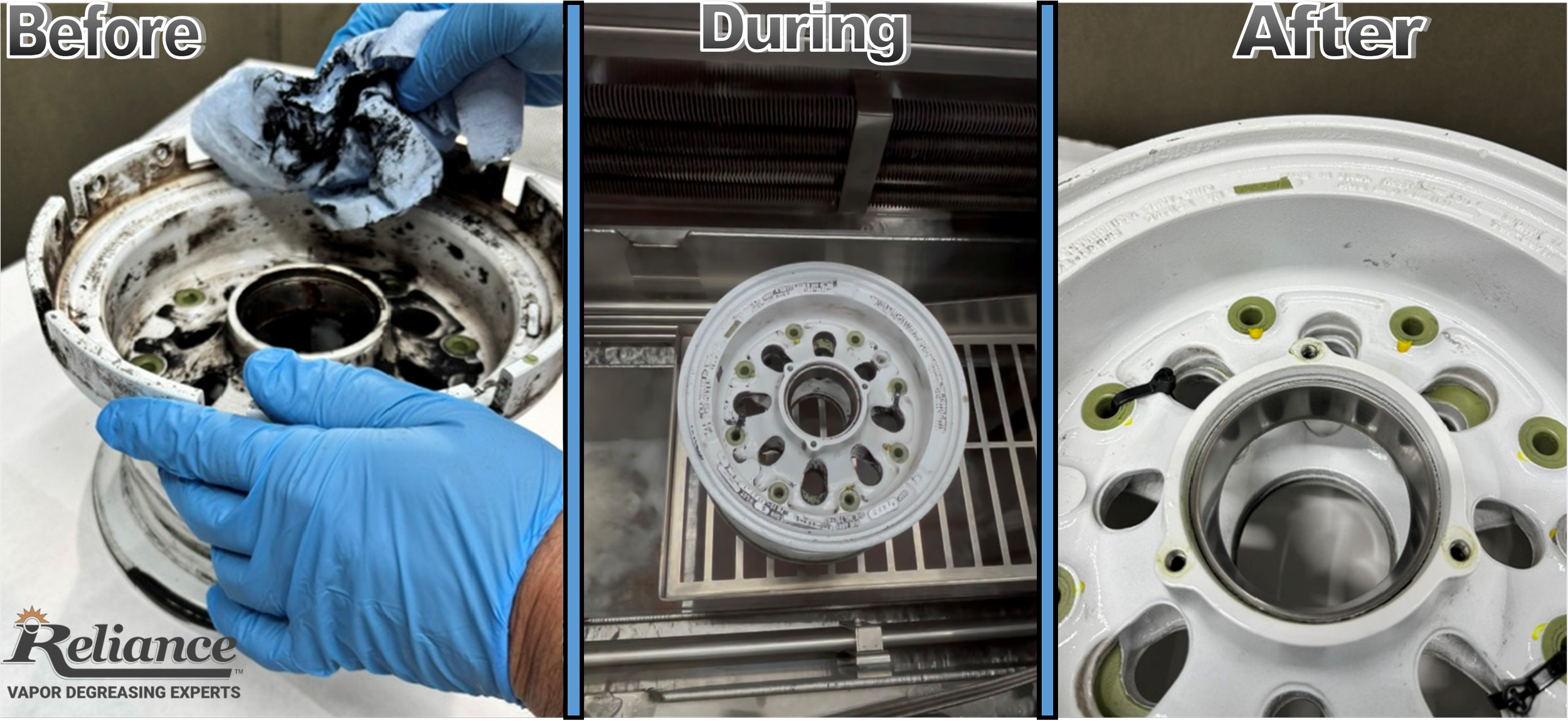
nPB has excellent solvency power and works across a wide range of substrates and soils. nPB is excellent at removing machining oils, greases, lubricants, waxes and organic residues from manufacturing processes.
For manufacturers struggling with tough soils, nPB works to clean the parts fast and does not leave residue. nPB delivers consistent, predictable, cleaning.
2. Because it Works in Existing Equipment
nPB is compatible with standard and vacuum vapor degreasing systems with no major redesigns - so there is no down time if switching solvents.
3. Because it is a Replacement for Chlorinated Solvents
When CFCs, TCE, methylene chloride, Perchloroethylene and other solvents were phased out, companies needed something fast. nPB is an easy “drop-in” replacement because it:
Works in existing vapor degreasers & ultrasonic systems
Has similar boiling point and physical properties to the older solvents
Required no major equipment or capital investment
4. Because it is non-flammable
Solvents like Isopropyl alochol (IPA) and other flammables are a safety risk. nPB is non-flammable and workds as well or better than many flammable solvents
5. Fast Drying for Higher Throughput
nPB evaporates quickly, which helps reduce cycle times while increasing production speed because it eliminates the secondary drying steps like ovens.
6. More Economical
Compared to engineered fluids like the 3M Novec products and modern fluorinated solvents, nPB is more economical.
WHERE Companies Use nPB?

Large OEM & MRO Aerospace
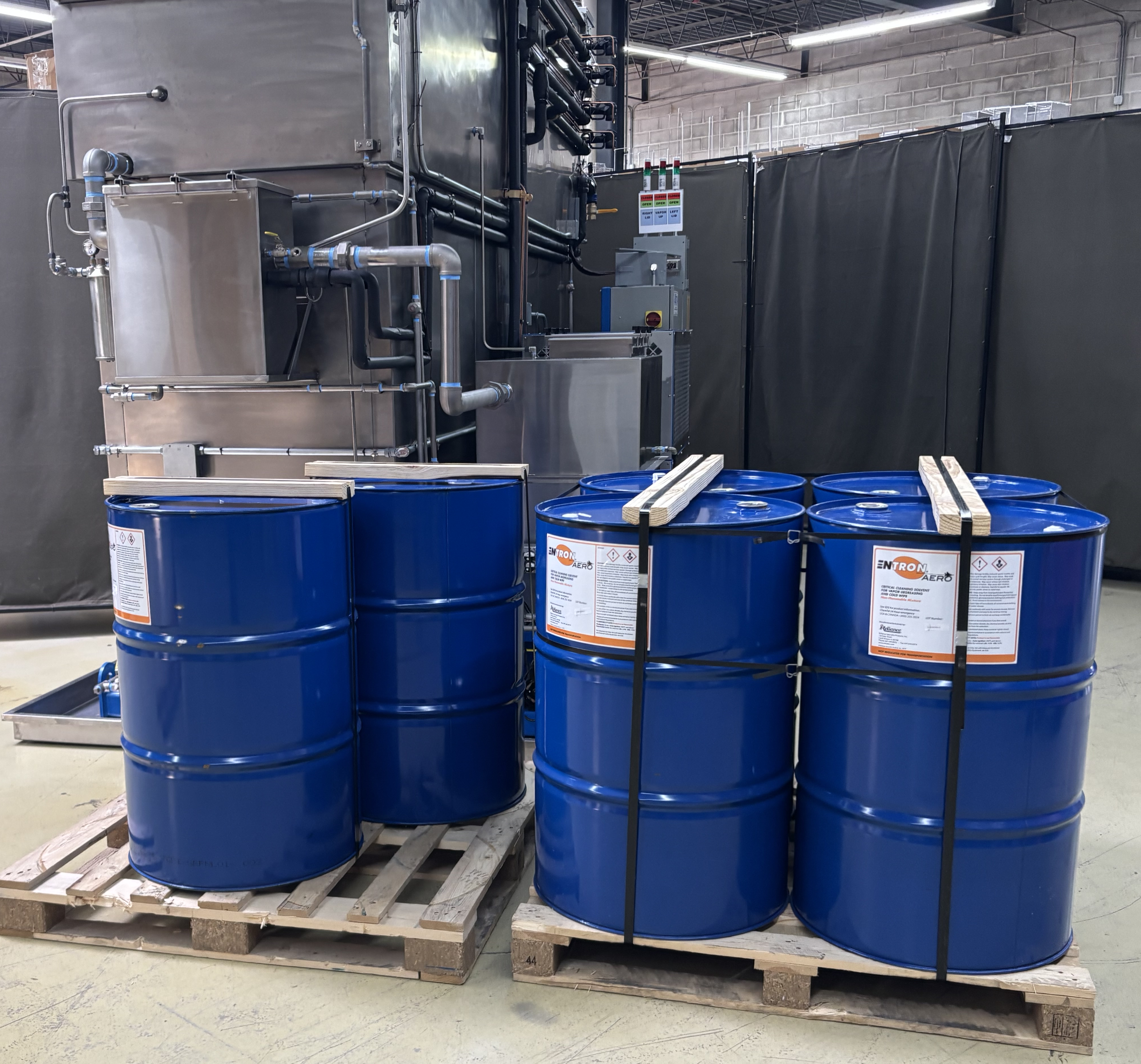
Because Boeing approvals are required for solvents, such as EnTron-Aero is able to be used in MRO & OEM aerospace applications. And with its economical price point, nPB continues to be used in aerospace extensively - including to replace TCE & PERC.
In vapor degreasers and ultrasonic cleaning equipment
Vapor degreasers & ultrasonic immersion systems have been around for years and are a staple of many industrial cleaning operations. This is a legacy process that is easily utilizes nPB.
Where TCE and other chlorinated solvents were used
Because of the fast evaporation rate, and non-flammability, chlorinated solvents have been used in many aspects of the industrial manufacturing process including adhesives, coatings, inks, aerosols, cold wipe, fabric cleaning and carrier applications. In these applications, nPB is not allowed but the new chemistries are. If you need a solvent approved for Carrier, Coating, Dilution and Adhesive Applications check out AeroTron-CCD
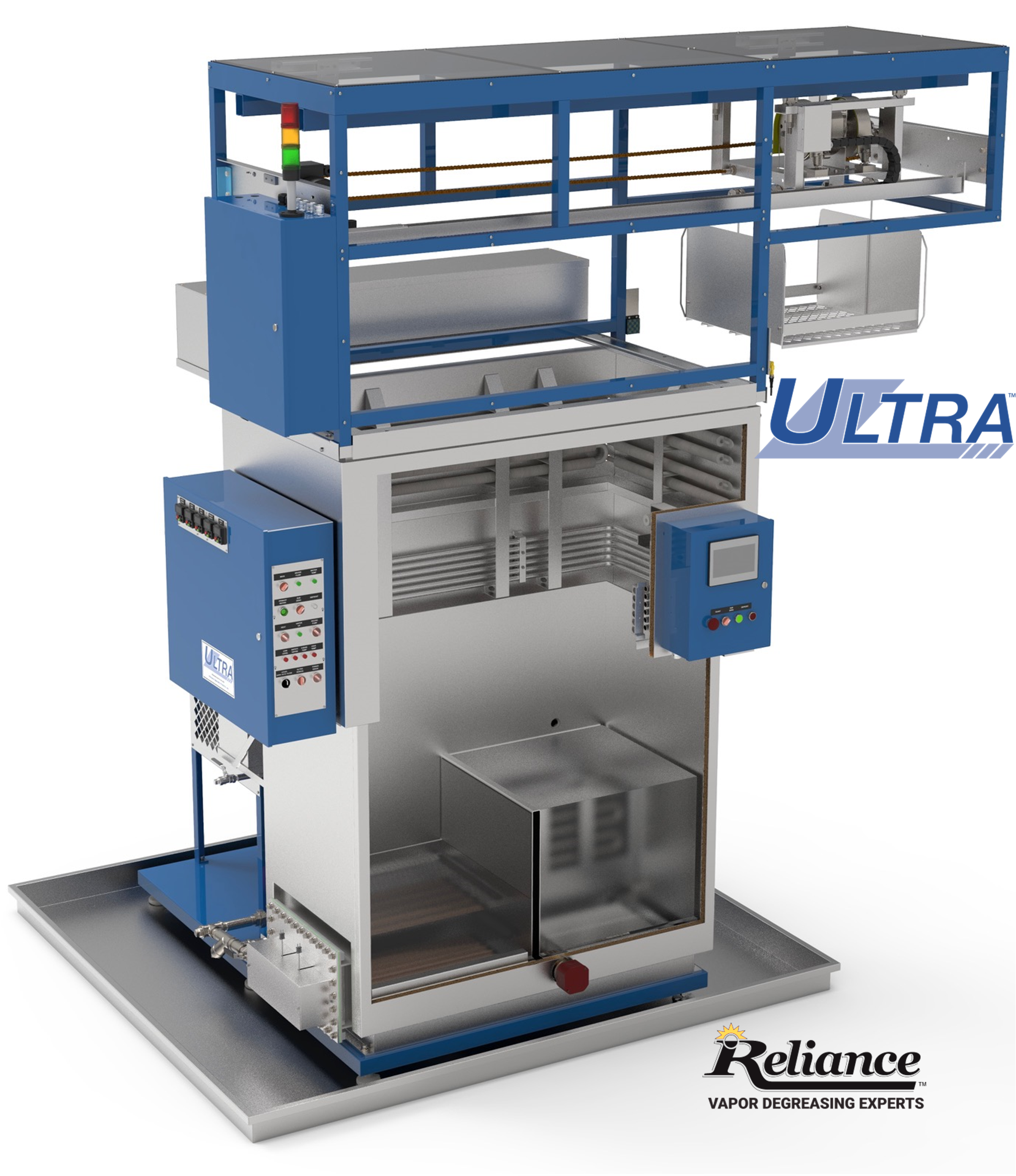
ULTRA 2-Sump Vapor Degreasing System
With ultrasonic immersion, vapor and spray cleaning capability.
WHEN Companies Use nPB?
As we are discussing, nPB addresses a number of needs within a company. From replacing older cleaning solvents, to upgrading cleaning capabilities, to replacing flammable solvents, to finding fast evaporating carrier solvents. nPB has a wide range of beneficial uses and applications.
HOW Companies Use nPB?
Many companies seamlessly integrate the nPB into their operations. Because it is a direct replacement for solvents they are currently using, the change over whether in a vapor degreaser or other application is usually easy. Sometimes the transition requires validation testing or re-permitting and in some cases garnering new customer approvals. Some historic solvents are already “spec’d in” to the cleaning specifications. This is usually the most cumbersome part of the transition.
The Bottom Line
n-PB’s performance is rooted in a well-balanced chemical profile: a moderately polar, high-strength, non-flammable solvent with excellent wetting and penetration characteristics; a combination is what makes it a practical choice for demanding cleaning applications.
n-Propyl Bromide’s stabile chemistry along with its compatibility with many substrate materials such as metals, glass, circuit boards and hard engineered plastics explains its long-standing use in a variety of industries. n Propyl Bromide is readily available and economical. Many companies continue to use and rely on nPB as a staple of their manufacturing operation.
Give us a call or contact us to discuss your application and how vapor degreasing might be an option for you. We can test clean parts in our vapor degreasing lab and share our recommendations for optimized cleaning.
At Reliance, we take a comprehensive, systemic approach to supporting our customers to finding solution to their cleaning needs. Reliance Technical Support Department at 847-640-8923. We are glad to be of assistance.
