
MRO Teams routinely use Ultrasonic Vapor Degreasing for cleaning complex parts
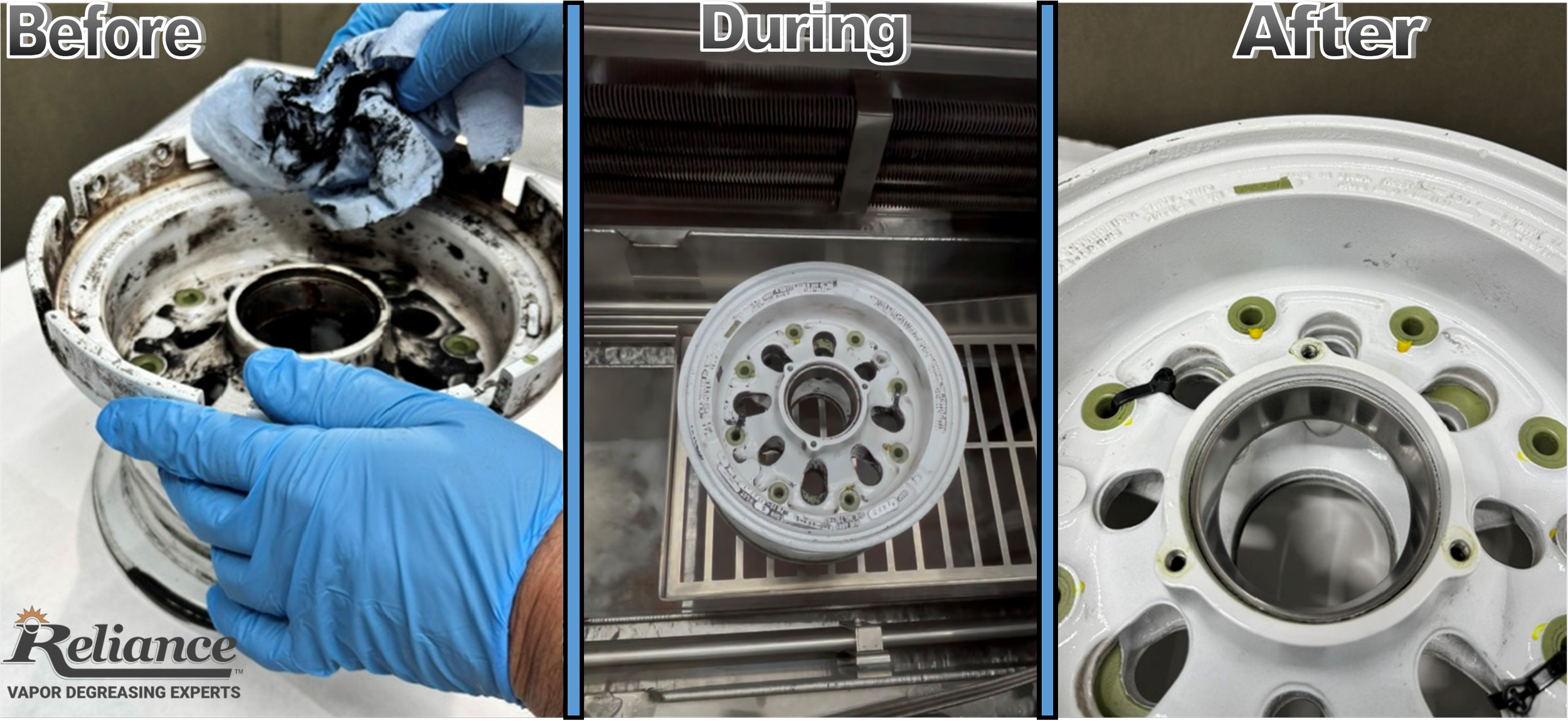
MRO Teams turn to ultrasonic Vapor Degreasing to clean complex parts
Aerospace MRO (Maintenance, Repair and Overhaul) teams need effective and efficient cleaning systems to ensure complex aerospace parts are properly cleaned and prepared for aircraft operation. In this blog, we will explore how Ultrasonic Vapor Degreasing is the go-to process for fast and complete component cleaning - especially grease and dirt from parts that have seen extensive field use.
Why is Vapor Degreasing the Go-To Process for Aerospace MRO Part Cleaning?
In aerospace Maintenance, Repair, and Overhaul (MRO) operations, cleaning is a critical process that directly impacts inspection accuracy, repair quality, reliability, and regulatory compliance. Aircraft components must be thoroughly cleaned before inspection, repair, coating, assembly, or return to service.
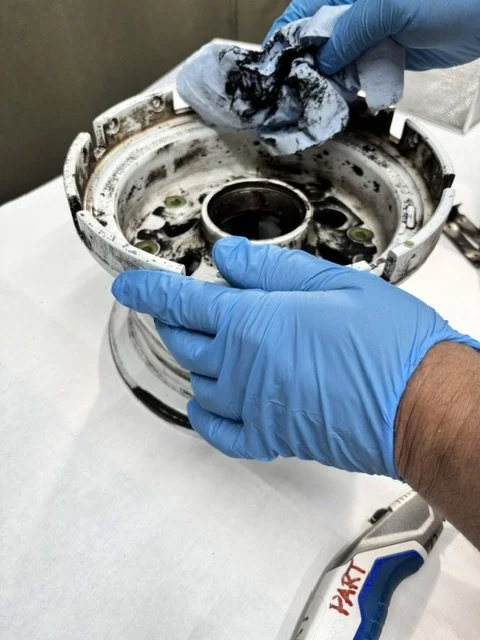
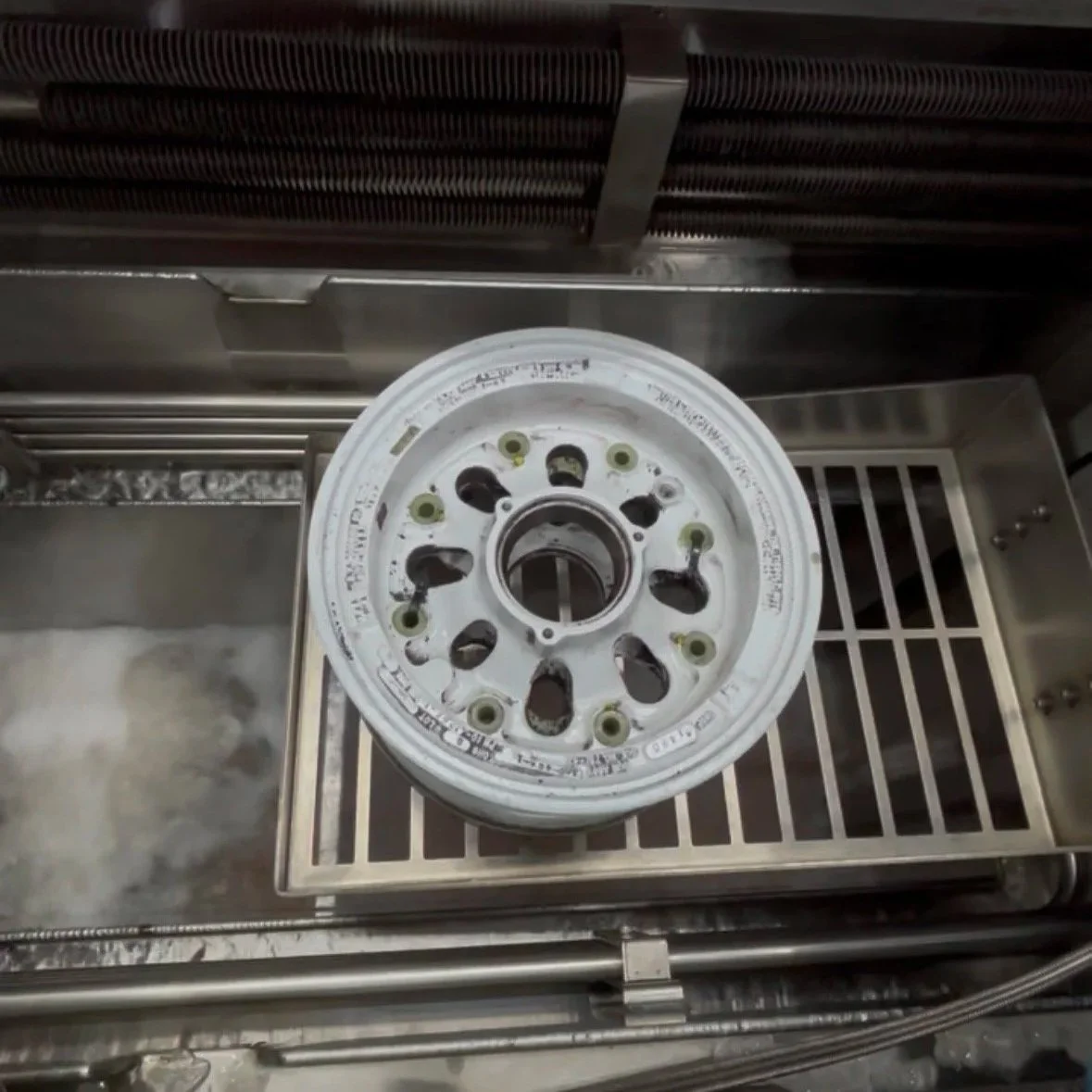
For decades, vapor degreasing has remained one of the most widely used cleaning methods in aerospace MRO because it consistently delivers high-performance cleaning while meeting the industry's demanding quality standards. Ultrasonic Vapor Degreasing:
1 . Removes Unique Aerospace Contaminants:
Such as, Hydraulic fluids, turbine oils, jet fuel residues, carbon deposits and more.
2 . Cleans Complex Geometries:
Aerospace components are complex and many parts contain Blind holes, Internal passages, Cooling channels, Threads, Cavities and Tight tolerances.
3 . Supports Strict Aerospace Specifications:
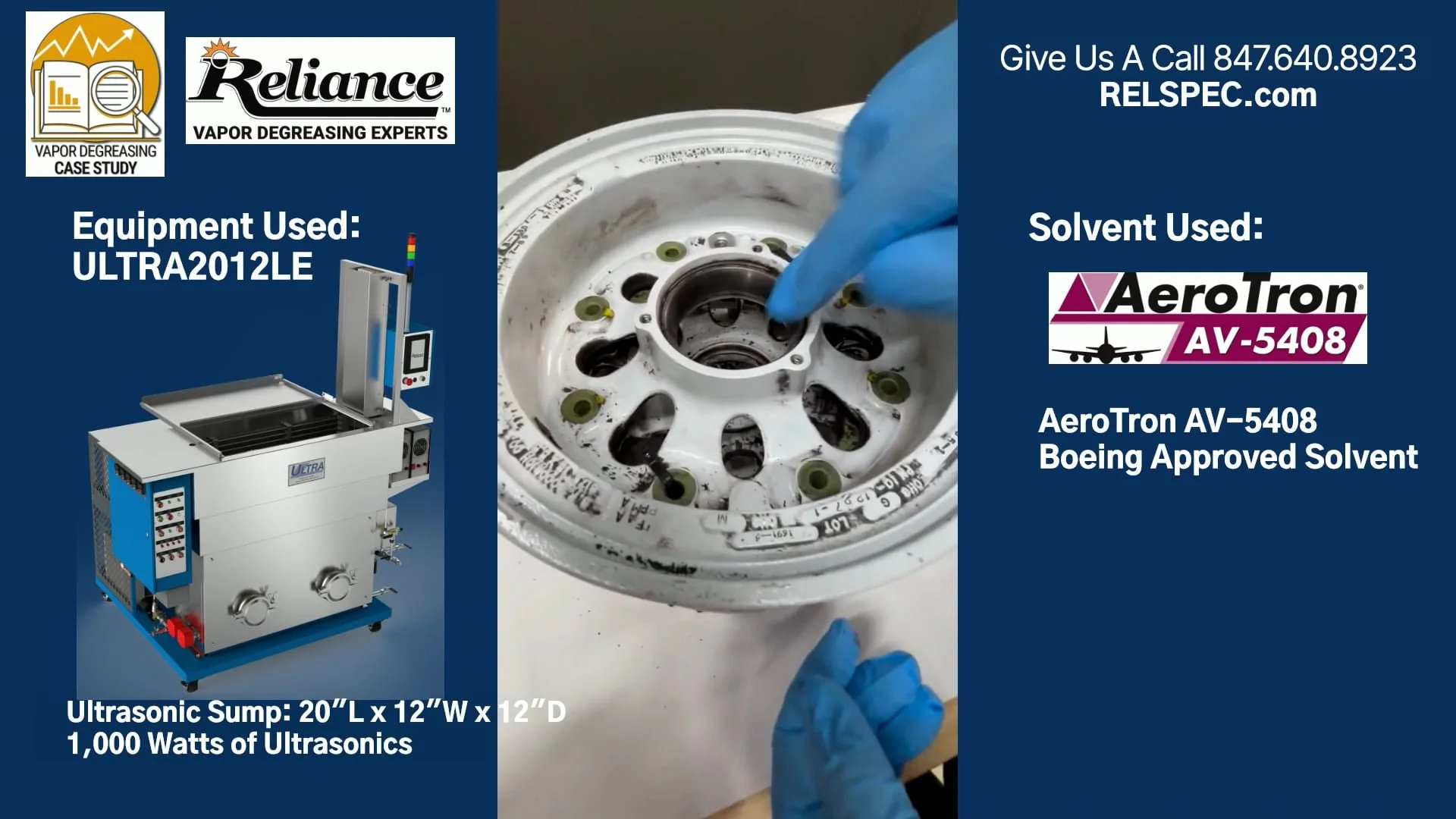
Aerospace manufacturers and MRO facilities operate under stringent standards such as: Boeing specifications, Airbus specifications, Pratt & Whitney requirements and FAA regulations - AeroTron-AV-5408 solvent meets these strict standards.
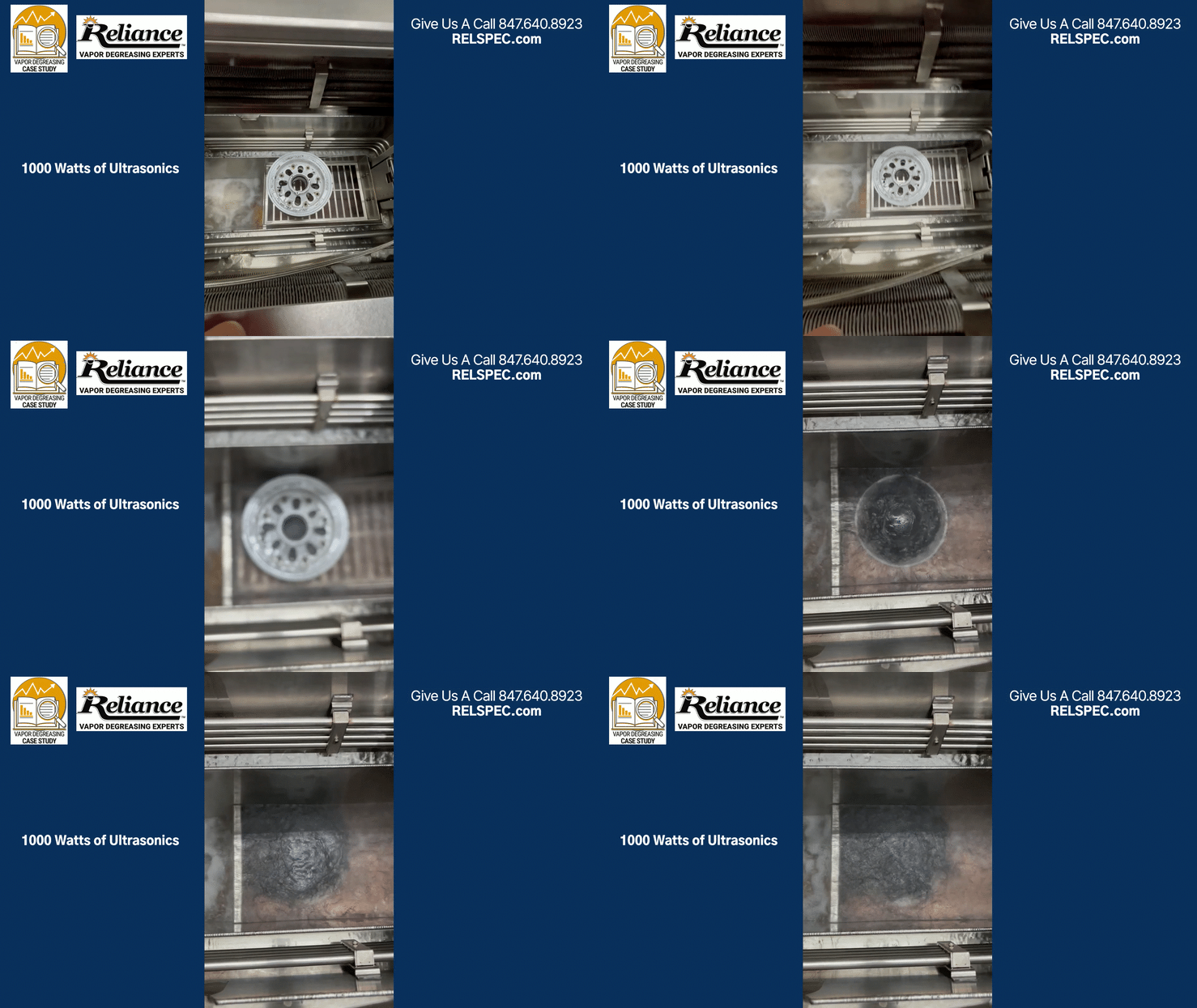
4 . Reduces Labor and Processing Time:
Vapor degreasing helps MRO facilities increase throughput by:
Cleaning multiple parts simultaneously
Eliminating manual scrubbing
Reducing drying time
Shortening inspection preparation
5 . Compatible with Sensitive Aerospace Materials:
such as Aluminum alloys, Titanium, Stainless steel and Nickel, etc are not negatively impacted by the vapor degreasing process.
6 . Essential for Non-Destructive Testing (NDT):
Vapor degreasing provides a residue-free surface that helps with NDT testing to help identify defects with greater confidence, it also completely removes dye penetrant after NDT testing is completed.
7 . Leaves no residue or water
Surfaces are left verifiably clean without residues or water dampness or detergent residues left by aqueous cleaning methods.
The Bottom Line
Aerospace MRO maintenance organizations need a cleaning process that delivers:
Reliable contaminant removal
Residue-free surfaces
Inspection-ready components
Repeatable results and
High throughput
Few cleaning technologies can simultaneously meet all of these requirements as effectively as vapor degreasing.
Thus, vapor degreasing remains one of the most trusted and widely used cleaning methods in aerospace MRO operations.
How Reliance Specialty Products Helps Aerospace MRO Facilities
Reliance Specialty Products works with aerospace manufacturers and MRO facilities to replace legacy cleaning chemistries —including nPB, TCE, and other regulated solvents—with modern vapor degreasing solvents and equipment solutions that maintain cleaning performance while supporting long-term regulatory compliance.
Whether you're cleaning turbine components, hydraulic hardware, bearings, or precision-machined aerospace parts, our team can help identify the right solvent and equipment for your application.
contact us at Reliance Specialty Products today to discuss your aerospace cleaning challenges and request a complimentary cleaning evaluation.
At Reliance, we take a comprehensive, systemic approach to supporting our customers to finding solution to their cleaning needs. Reliance Technical Support Department at 847-640-8923. We are glad to be of assistance.
